Aurora Karamzin
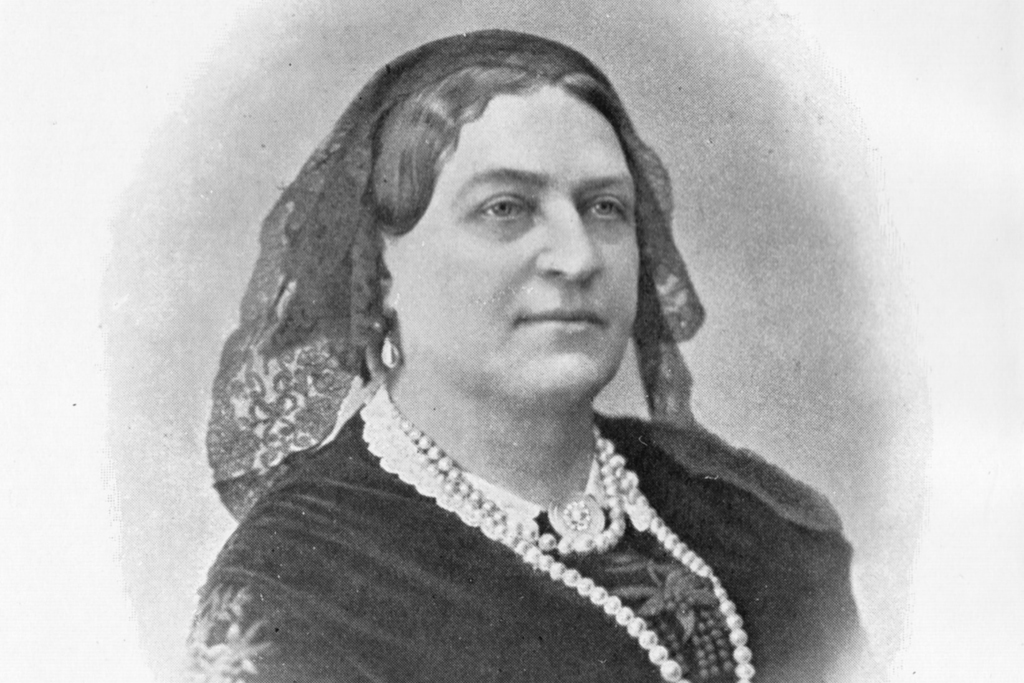
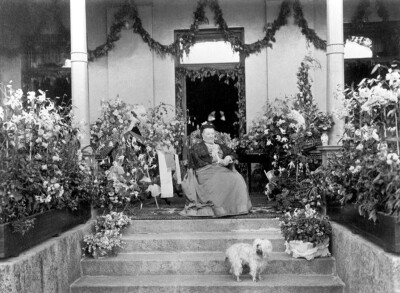
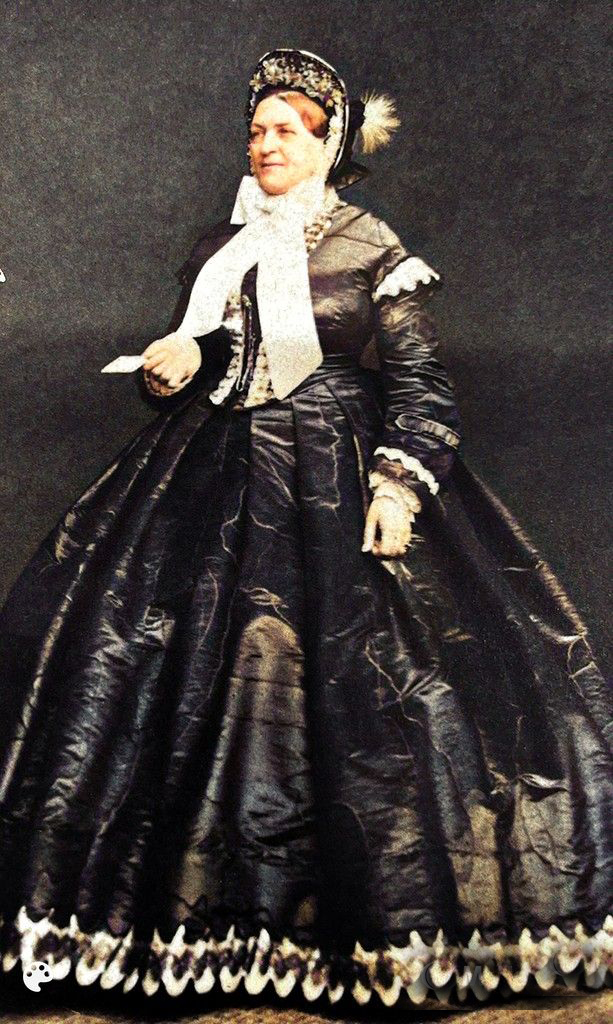
Aurora Karamzin (1808–1902) was a brave influencer in the 19th century. She cared for the most vulnerable and supported girls’ education. She initiated the founding of the Deaconess Foundation in Helsinki. At the foundation, young women were trained to help the disadvantaged. Aurora participated in the activities of the Deaconess Foundation in many ways until the end of her life.
Read more about Aurora
Aurora Karamzin and the Deaconess Foundation shared 35 years of time together, 1867–1902. The relationships on both sides were close. The Deaconess Foundation is Aurora’s most significant achievement. The foundation continues its work in her footsteps. The legacy lives on in helping, caring, and doing good. Courage to defend human dignity.
Bold influencer
Twice widowed
Homes in Finland
Aurora = Dawn
The name of Aurora still lives on
In the 1870s, a dedicated building was planned for the Deaconess Foundation. Along with the project, a new name was also planned – Aurora Foundation. Neither the building nor the name was realized. However, the name Aurora is still present at the Deaconess Foundation in other ways.
House, room and reward
- In the Deaconess Foundation block along Helsinginkatu stands Auroratalo (Aurora House). On its site operated the Hotel Aurora from 1970 to 2006, which was converted into a residential building for the long-term homeless.
- Aurora has also given its name to the largest room in the main building of the Deaconess Foundation, the Aurora lounge.
- The Foundation has been awarding the Aurora Prize since 2000.
Many places in honor of Aurora
- In Helsinki’s Töölö district, there is Aurorankatu (Aurora street)
- over Nordenskiöldinkatu (Nordenskiöld Street) has been built Auroran silta (Aurora Bridge)
- Behind Villa Hakasalmi are Karamzininkatu (Karamzin Street) and Karamzin’s shore.
- the Finlandia Hall has the Aurora Hall
- In Espoo, there is Aurora School and Aurora Home.
- The Finnish Rose Society chose “Auroran” as the rose of the year 2020.
Timeline of Auroran life
1 or 3 August 1808 Eva Aurora Stjernvall was born at west coast in Pori (Ulvila)
1830 Appointed lady-in-waiting to Empress Alexandra.
1832 Moved to Saint Petersburg to live with her sister and her husband, near the court.
1834 Engaged to Alexander Muhanov. The groom died just before the wedding.
1836 Entered service as a lady-in-waiting in Saint Petersburg. Married in November to the extremely wealthy state councillor and court hunting master Paul Demidov. The couple spent most of their time in Central European spas, where Paul Demidov was taking care of his health.
1839 Son Paul was born.
1840 The spouse died. Aurora bought the Träskända manor located in Espoo from her stepfather Carl Walleen.
1846 Married Andrei Karamzin. Their common home was in St. Petersburg. Summers were spent at Träskända.
1848 Stayed in Paris during the revolution, listening to and also discussing social issues in salons. This was forbidden in Russia.
In 1849, traveled to the Ural Mountains to the Demidov mining community, accompanied by a large group of people, also his son. Established a hospital, an orphanage, and schools. After the trip, the Karamzins founded an orphanage in Saint Petersburg.
In 1854, the spouse died in the Crimean War. Aurora’s religiosity deepens.
In 1862, to pay off her son’s gambling debts, she pawned the Le Sancy diamond she had received as a wedding gift in 1836. Aurora had received the diamond from Paul Demidov.
In 1863, Emperor Alexander II opened the parliament. Aurora organized a splendid hunting party in Träskända in his honor. Otherwise, her social life was quiet.
Founder of the Deaconess Foundation
In 1867, Paul got married. Aurora bought the Hagasund (Hakasalmi) villa from her stepfather. On Aurora’s initiative, the Deaconess Foundation was established in Helsinki as an infectious disease hospital.
In 1868, Paulin’s wife died, and Aurora began caring for the newborn child, Elimiä. Communication with the Deaconess Institute was maintained by letter.
In 1870, Paul remarried.
In 1875, she bought a modern three-story stone building from Katajanokka for the Deaconess Foundation as new premises. She settled permanently in Finland at the Hakasalmi villa.
In 1885, Paul died in the Demidov Palace in San Donato, Florence. Emperor Alexander III also visited the Deaconess Institute during his trip to Helsinki.
In 1888, the Träskända Manor burned down.
In 1890, a fierce storm knocked down the trees in Träskända Park;
I got it all from God, now He took it back, and knew why He did it.
1895 Sold Träskända to her sister’s granddaughter Marie Törngren (she sold the estate and its new main building to the municipality of Espoo in 1924).
1896 Sold the Hakasalmi villa to the city of Helsinki and donated the Katajanokka building to the Deaconess Institute.
1898 The new building of the Deaconess Foundation was completed. The artist Dagny Furuhjelm’s portrait of Aurora was donated to the Deaconess Foundation. The Emperor granted Aurora the title of State Lady when she turned 90 years old.
1899 The era of Russification. Aurora wrote to the Dowager Empress Dagmar on behalf of Finland.
1902 Aurora died on May 13th. The funeral gathered thousands of people along the streets. The Hakasalmi villa was transferred to city use.
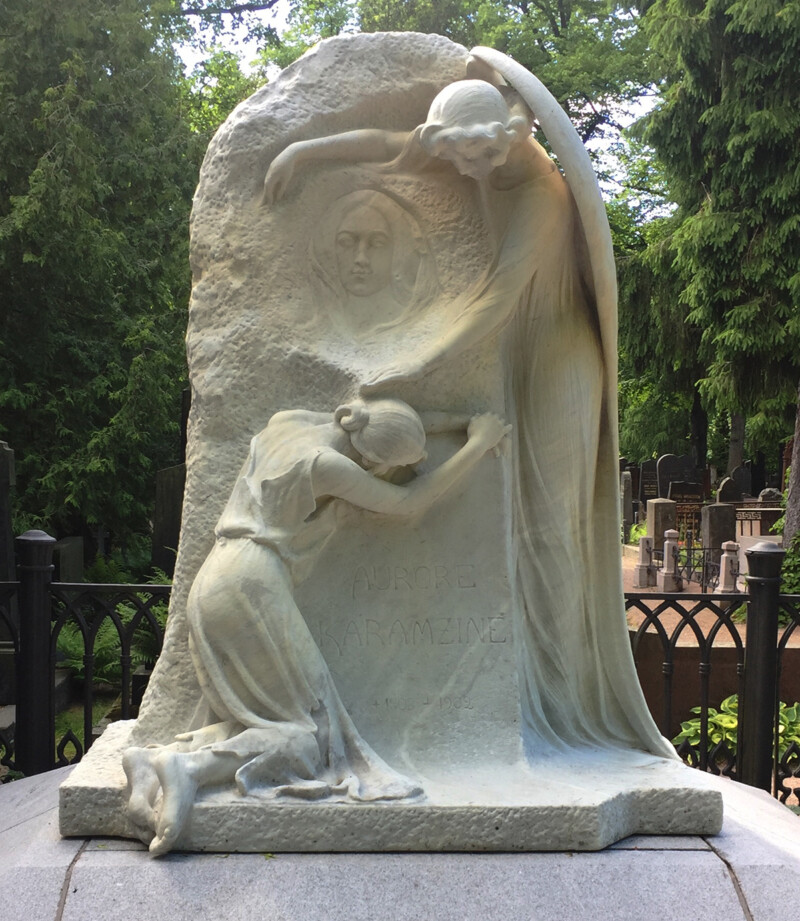
1905 At the grave in Hietaniemi cemetery, a monument was unveiled, created by sculptor Ville Vallgren.