Published on 04.2.2026
Mentor’s Handbook provides tools for building bridges of trust and change
The newly published Mentor’s Handbook provides practical tools to support the empowerment of Roma women through mentoring processes. Mentors, their trainers and those planning mentoring programmes can use it to learn mentoring methods that take cultural differences and intersectional discrimination into account.

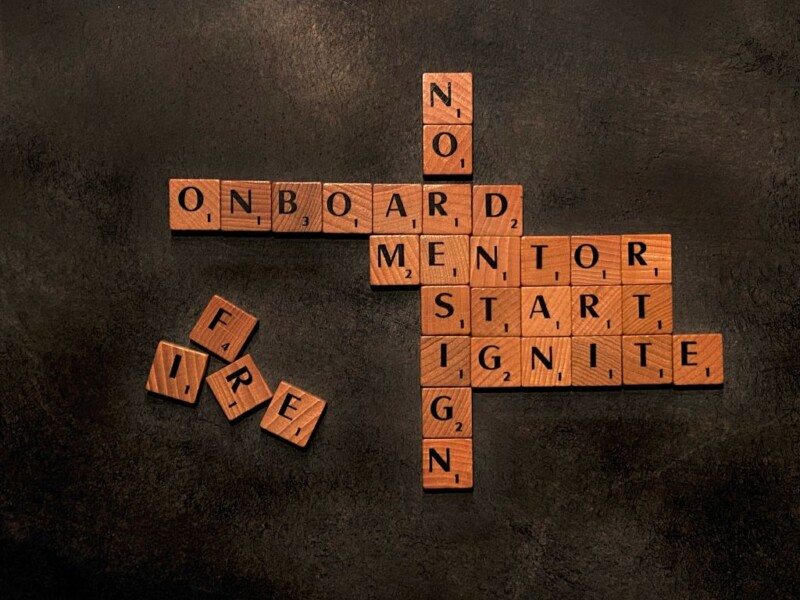
The RomniME project, coordinated by the Deaconess Foundation, aims to promote the inclusion and opportunities of young Roma women in four European countries through mentoring. The project has now published the Mentor’s Handbook, which is a comprehensive guide to mentoring processes for the empowerment of Roma women.
The handbook is based on observations and data collected during authentic mentoring processes carried out during the project, as well as an extensive literature review and other source material.
The handbook, compiled by the project’s Croatian partner, Sportsko učilište PESG, has been translated into five languages.
Starting Point: the resources of Roma communities
The handbook is based on the experiences of Roma women, who still face deep-rooted inequality in many European countries due to their ethnicity, gender, and socioeconomic status.
However, rather than focusing solely on the challenges they face, the handbook emphasises the resources, cultural identity, strengths and distinctive characteristics of Roma communities, which are utilised as starting points for mentoring. The handbook views mentoring as a collaborative process that promotes justice and offers a pathway to empowerment.
Tools for mentors and trainers
The first part of the handbook deals with the significance of mentoring, ethical principles and roles, and the power dynamics associated with them. The Mentoring in Practice section, in turn, describes mentoring methods: it covers one-to-one as well as small-group and large-group mentoring practices, explores culturally sensitive and intersectional approaches, and provides guidance on implementing monitoring, evaluation and responsive mentoring.
The handbook offers readers practical tools, templates, case examples, reflection exercises and various self-assessments. It is suitable both for independent study and to support different training programmes. The book is intended for current and future mentors, mentoring trainers and facilitators. Non-governmental organisations and communities can use it to launch and develop mentoring programmes.
Mentoring is a continuous learning process
The key principles of the handbook include understanding mentoring as a reciprocal relationship that is as non-hierarchical as possible, where the mentor is a companion, not an authority figure. Cultural responsiveness and the recognition of intersectionality are also central: it is important for mentors to understand the diversity of backgrounds and communities and to examine their own preconceptions.
The handbook also emphasises clear and ethical boundaries, consent and confidentiality, which safeguard the well-being of both the mentor and the mentee. Mentoring is seen as a flexible, situation-responsive, continuous learning process. It is also important to understand that mentoring does not replace therapy or other professional help, but functions as part of a broader support network.
The handbook, like the entire RomniME initiative, emphasises that mentoring is not only about individual empowerment, but about challenging structures: a society in which human dignity is realised emerges from everyday actions and genuine interaction. Mentoring can also be a form of gentle resistance – it is a strong commitment to justice and hope.
Contact us
Maria Dorofte
Program coordinator International work +358504011212 maria.dorofte@diakonissalaitos.fiMarjaana Toiviainen
Programme coordinator International work +358505636302 marjaana.toiviainen@diakonissalaitos.fiRead more
- International work
- Roma
Emergency response, advocacy, and community work in Ukraine

- Immigrants
- Project
- Työnhakijalle
- Youth
The Vamos Career project built bridges between young people and employers

- International work
- Research and publications
- Roma
- Research and publications