Roma people
We promote the realisation of Roma human rights in Finland and Eastern Europe.
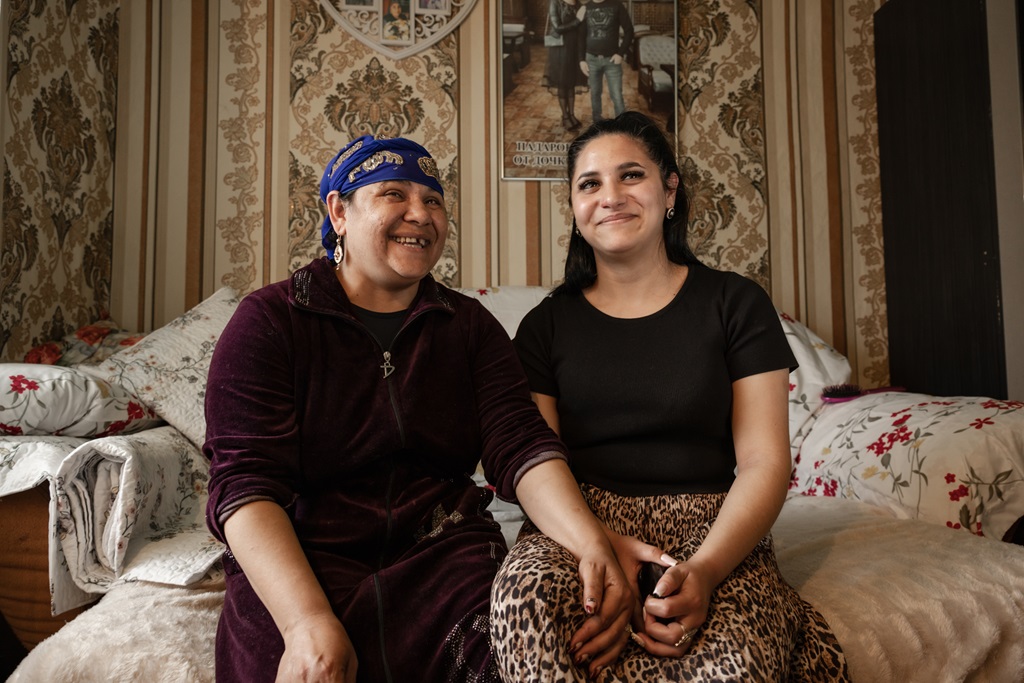
The vulnerable position of Roma people remains one of Europe’s major human rights issues
Roma are Europe’s largest and most discriminated-against ethnic minority, and particularly in Eastern Europe, severe discrimination and segregation from the rest of the population affect Roma lives in many ways.
Extreme poverty, malnutrition, poor housing conditions and the lack of health and social services have led to Roma having the shortest life expectancy of any population group in Europe. Many do not even have citizenship of their country or identity documents entitling them to basic services.
Their position is weakened above all by structural barriers and discriminatory practices that are deeply rooted in society. In Eastern Europe, it is not uncommon for doctors to refuse to touch Roma patients. In Romania, for example, emergency services may even refuse to enter a Roma community in an emergency.
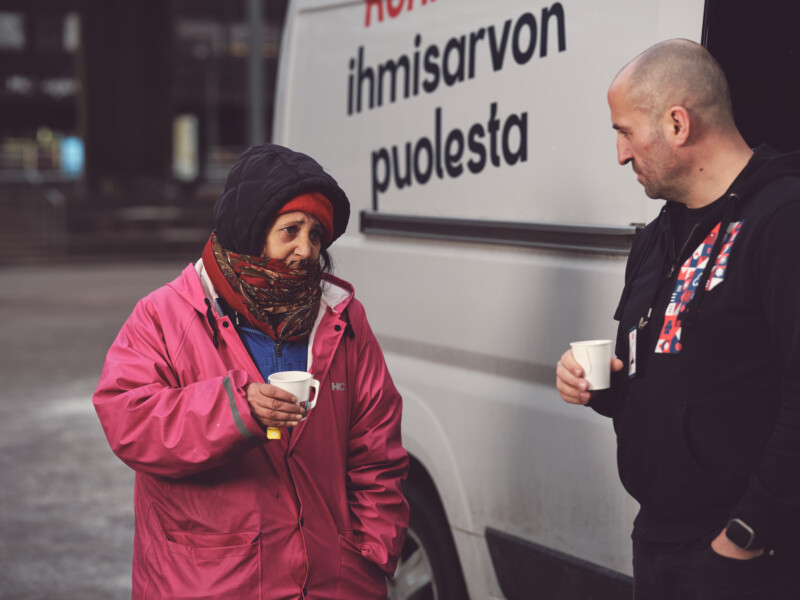
Eastern European Roma in Finland
Discrimination, poverty and lack of prospects in Eastern Europe lead Roma to seek better livelihoods in other countries. When Eastern European Roma first began to appear on the streets of Helsinki in 2007, the Deaconess Foundation was among the first to support them in Finland and to influence the situation in their countries of origin.
The Hirundo day centre, established in 2011, continues to offer support and services to Roma from Eastern Europe in Helsinki. Hirundo Mobile brings psychosocial support and advisory services to where people are. We also promote the employment of migrant Roma in Pietarsaari, support young Roma women through mentoring, and develop Roma people’s digital and financial skills.
Our work with Roma people in Finland

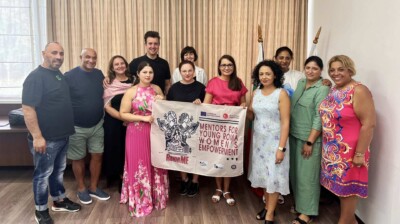



Our Roma work in Eastern Europe
In Eastern Europe, we work closely with Roma organisations in various countries through our development cooperation programme. We have also worked in Romania for a long time and conduct joint projects with other Roma organisations within the EU area.
We strengthen the capacity of Roma organisations, promoting networking and social advocacy. Advocacy work aimed at changing legislation and structures is central to our activities, both within countries and internationally.
This work is gradually producing results. The human rights situation of Roma in Eastern Europe is slowly but surely changing, as the campaigning work of Roma organisations and activists for Roma human rights has led to many improvements.
News
- International work
- Roma
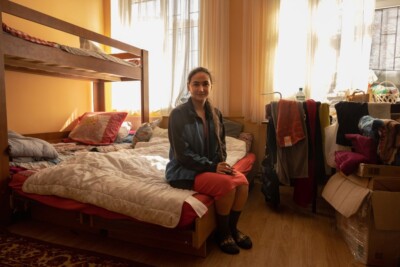
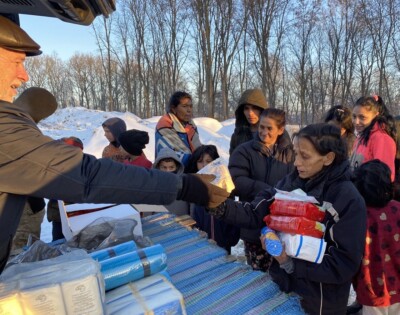
Emergency response, advocacy, and community work in Ukraine

- Project
- Research and publications
- Roma
Mentor’s Handbook provides tools for building trust

- International work
- Research and publications
- Roma
- Research and publications
Empowering Roma women through mentorship: insights from Finland’s National Report
- History
- Immigrants
- International work
- Roma
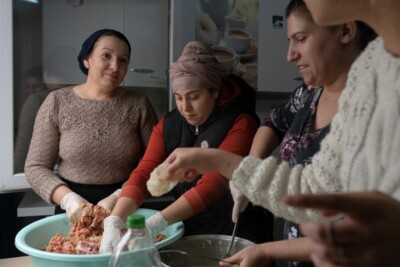
20 years of working with Roma: from emergency aid to EU advocacy
- International work
- Roma
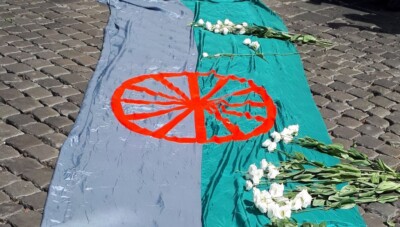
The continued legacy of the Roma and Sinti genocide
- International work
- Roma
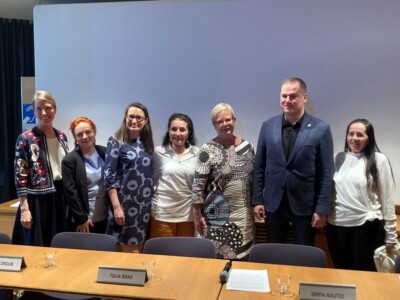
Making an impact together: Work to advance human dignity and equality in Ukraine continues

- International work
- Roma
Deaconess Foundation and its partners have assisted over 130,000 Ukrainians

- International work
- Roma
Everyone has a gift to be celebrated
- International work
- Roma