Published on 25.9.2026
Civil society plays a key role in times of crisis
Supporting civil society is neither charity nor a luxury that can be afforded only in good times, write Yulian Kondur, Project Coordinator at the Roma Women Fund Chiricli, which operates in Ukraine, and Anca Enache, head of international work at the Deaconess Foundation.
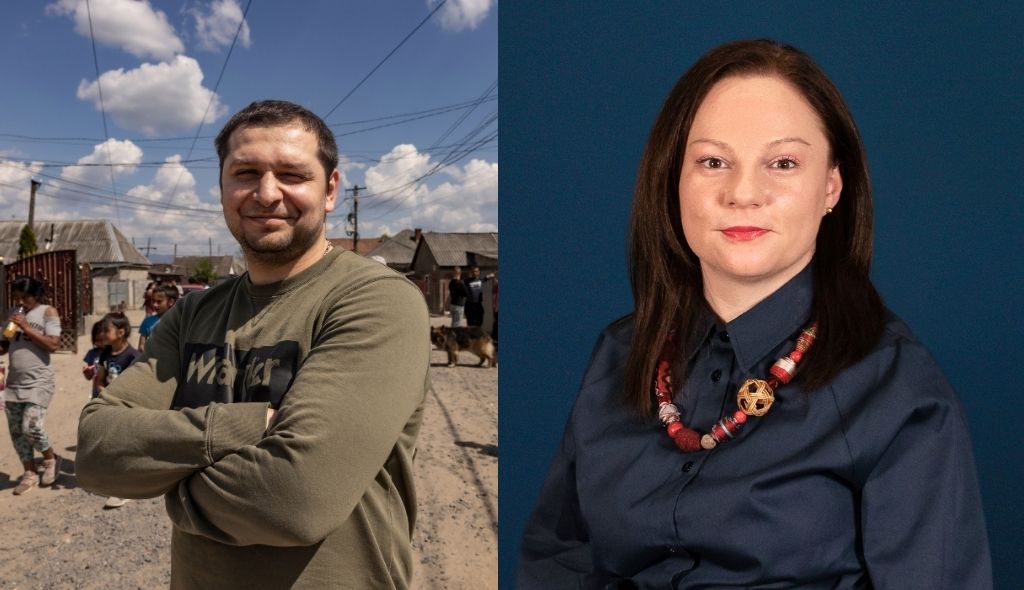
Civil society plays a key role in times of crisis, as the situation in Ukraine shows
Supporting civil society is neither charity nor a luxury that can be afforded only in good times, write Julian Kondur, Project Coordinator at Roma Women Fund Chiricli, which operates in Ukraine, and Anca Enache, head of international work at the Deaconess Foundation.
When democracy falters, our attention often turns to decision-makers, courts and the international system. But democracy also depends on active citizens and civil society organisations that scrutinise the actions of those in power.
Due to this important role, there are attempts around the world to restrict the activities of civil society. Defending democracy and human rights can be labelled political or divisive. The intention is to increase polarisation, erode people’s sense of togetherness, and reduce their involvement in public life.
In Finland, too, the significance, legitimacy and funding of civil society organisations have been called into question in recent years.
When the space for civil society narrows, democracy also weakens. Without a strong civil society, decision-making more easily escapes public scrutiny, and the opportunities of the most vulnerable people to be heard diminish even further.
Civil society’s crucial contribution in Ukraine
The situation in Ukraine illustrates the central importance of civil society in times of crisis. Civil society organisations are often the first actors to reach people in vulnerable situations, identify urgent needs and connect people with public services. They do not replace the state, but help to ensure that public administration acts responsibly and responds to people’s needs even in the midst of a crisis.
At the same time, Ukraine’s progress towards European Union membership opens up opportunities to strengthen minority rights, anti-discrimination structures and the accountability of public authorities. These opportunities will not, however, be realised by themselves. Actors are needed who identify problems and human rights violations, gather evidence of them, support the communities affected and provide information to support decision-making.
At its best, this is precisely how civil society works: it makes invisible problems visible and works with the people whose experiences would otherwise remain outside official information. Civil society brings the rule of law down to the level of people’s everyday lives. Rights cannot be realised in practice if people do not know about them or are afraid to report violations they have experienced.
That is why movements opposed to democracy and human rights seek to influence civil society in particular. When human rights work is labelled suspect or divisive, people’s opportunities to organise and demand change are curtailed.
Support for civil society must be strengthened
Finland is not immune to these developments. A strong democracy needs organisations, movements and communities that identify problems, bring the perspectives of those who have excluded into public debate and create opportunities for participation. If civil society is seen merely as an item of expenditure, democracy loses part of its ability to detect problems in good time and to renew itself in a changing world.
Fortunately, positive developments can also be seen. Despite the challenges, people are organising, activists are documenting abuses, and minorities’ own organisations are defending equality and inclusion around the world.
Cooperation between civil society and public actors helps to keep democratic systems functional even when they are put to the test.
Finland should therefore strengthen its support for civil society, both at home and internationally. Supporting civil society is not a luxury that can only be afforded in good times, nor is it charity. A vibrant democracy requires an active, independent and adequately resourced civil society.
Remember this, Finland
The CIVICUS State of Civil Society Report 2026 offers an apt reminder:
“Resistance begins the moment people choose to hope.”
Change often begins when people refuse to remain silent. They organise and act together to defend human dignity and the right to participate in society.
Finland must support civil society organisations that defend democracy, equality and human rights. This means safeguarding civil society spaces, ensuring long-term funding, engaging with minority organisations, and backing human rights defenders wherever democratic participation is under threat.